 Skip to content

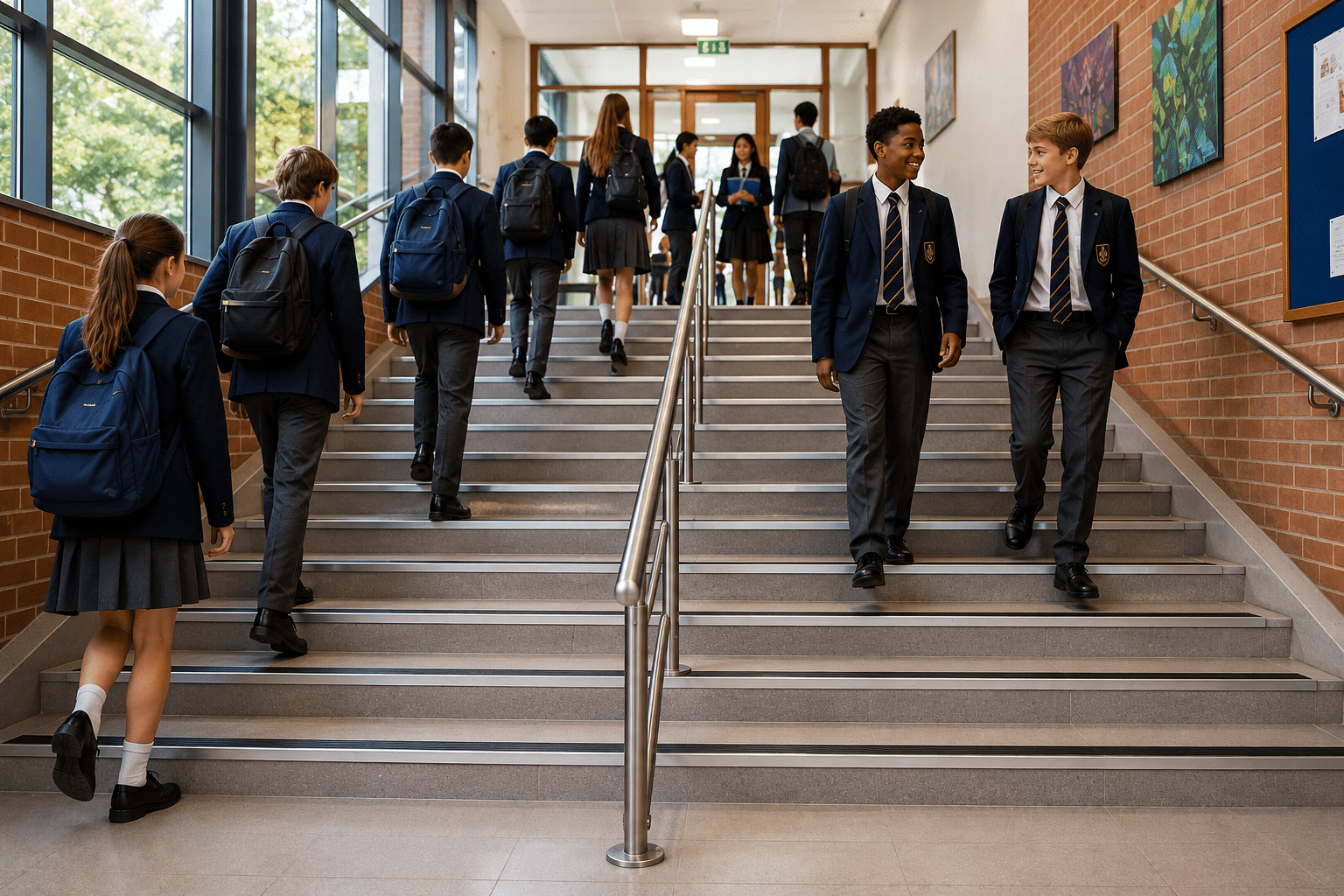
Stair safety is often overlooked until an accident happens. Many people ask, “is stair nosing necessary” when building, renovating, or improving stairways in homes and commercial buildings. The answer usually depends on factors such as the stair material, daily foot traffic, weather exposure, and overall safety requirements. However, smooth, worn, or poorly visible stair edges can quickly become dangerous without proper protection.
Stair nosing helps improve grip, increase visibility, and protect stair edges from long-term wear and damage. It adds extra traction where people place their feet most often, helping reduce slips, trips, and falls on both indoor and outdoor stairs. Stair nosing can also make each step easier to see, especially in dark hallways, crowded buildings, or wet environments where accidents are more likely to happen.
Many schools, offices, shopping centres, apartment buildings, and homes use stair nosing to create safer walking conditions while extending the lifespan of staircases. Whether installed for safety, durability, or visibility, stair nosing plays an important role in protecting families, workers, visitors, and customers every day.
In this article, we will explore why stair nosing is important, where it is most useful, how it improves stair safety, and whether stair nosing is necessary for different types of environments and staircases.
Key Takeaways:
Last Updated 25 May 2026
- Stair nosing improves stair safety by increasing grip and reducing slips, trips, and falls on indoor and outdoor stairs.
- Many property owners ask “is stair nosing necessary” for wet, slippery, high-traffic, or poorly visible stairways.
- Stair nosing improves visibility on stair edges, helping people see each step more clearly in dark or crowded areas.
- Stair nosing helps protect stair edges from cracks, chips, wear, and long-term damage caused by heavy foot traffic.
- Schools, offices, shopping centres, homes, pool areas, and public buildings all benefit from safer and more durable stairs.
What Is Stair Nosing and What Does It Do?
Is Stair Nosing Necessary for Every Staircase?
Many people wonder, “is stair nosing necessary” for every staircase in a property. The answer depends on factors such as the stair material, location, environmental conditions, and amount of daily foot traffic. Smooth stair surfaces often become slippery much faster than rough or textured stairs, especially in busy environments. Stair nosing helps improve grip and visibility on stair edges, making stairs safer for everyday use. Safer stairs help reduce accidents in both homes and commercial buildings.
Outdoor stairs usually require more protection than indoor staircases because they are exposed to rain, dirt, moisture, and changing weather conditions. Wet stair surfaces can become dangerously slippery very quickly, especially near pool areas, entrances, and outdoor walkways. This is one reason many property owners ask, “is stair nosing necessary” for outdoor environments. Extra traction and better visibility help improve safety where slip risks are higher. Wet stairs become much more dangerous when proper safety products are missing.
Busy commercial buildings also benefit greatly from stair nosing protection. Heavy foot traffic slowly wears down stair edges over many years, increasing the risk of slips, trips, and damaged stair surfaces. Stair nosing helps reduce wear while improving stair safety every day. Schools, offices, shopping centres, hospitals, and public buildings commonly use stair nosing products to improve both durability and safety. Protected stair edges often last much longer and require fewer repairs over time.
Some low-traffic indoor stairs may appear safe without stair nosing installed. However, accidents can still happen on smooth, worn, or poorly visible stair surfaces. Many property owners only realise “is stair nosing necessary” after a slip, trip, or stair damage has already occurred. Safe stairs help protect families, workers, visitors, customers, and the general public every single day.
How Stair Nosing Improves Stair Safety
Stair nosing helps make stairs safer for everyday use by adding extra grip to the front edge of each step. Many people ask, “is stair nosing necessary” when looking for ways to improve stair safety in homes and businesses. Extra traction helps reduce slips and falls on dangerous stair surfaces while making stairs easier and safer to use daily. Safe stairs help people move with greater confidence, especially in busy or high-risk environments.
Wet shoes, smooth surfaces, and changing weather conditions can make stairs very slippery. Outdoor stairs often become dangerous during rain or bad weather, especially near entrances, pool areas, and outdoor walkways. Stair nosing helps improve traction where people place their feet most often, helping reduce accidents before they happen. This is one reason why many property owners ask, “is stair nosing necessary” for outdoor staircases and wet environments.
Stair nosing also improves visibility on stair edges by making each step easier to see. Bright colours and textured surfaces help reduce trips caused by missed or uneven stair edges, especially in dark hallways or crowded buildings. Better visibility helps people judge stair depth more clearly and move more safely throughout the day. Clear stair edges improve overall stair safety in both residential and commercial environments.
Heavy foot traffic slowly wears down stair edges over time, increasing the risk of damage and accidents. Damaged stair surfaces can quickly become unsafe for families, workers, visitors, and customers. Many property owners only realise “is stair nosing necessary” after stair damage or a slip has already occurred. Protected stairs usually remain safer, stronger, and longer-lasting with regular daily use.
Why Stair Nosing Matters in Wet or Slippery Areas
Wet stairs can become dangerous within only a few seconds when moisture is present. Rain, pool water, spills, and wet shoes all increase the chance of slipping very quickly. Many people ask, “is stair nosing necessary” in wet environments because slippery stairs create serious safety risks in both homes and public spaces. Extra traction helps people walk more safely on wet stair surfaces while reducing the risk of slips and falls. Safe stairs are especially important in busy areas where people move constantly throughout the day.
Outdoor entrances often remain wet during rainy weather conditions, while pool areas and garden stairs may collect water throughout the day. Smooth stair surfaces become much more dangerous when exposed to constant moisture and heavy foot traffic. This is one reason many property owners ask, “is stair nosing necessary” for outdoor staircases and wet environments. Better grip helps reduce accidents before they happen and improves confidence while walking on slippery stairs.
Stair nosing adds texture and traction to the front edge of each step, helping shoes grip the surface more effectively during daily use. Some stair nosing products also improve visibility by making stair edges easier to see in darker environments. Clear stair edges help people judge each step more safely and reduce the risk of trips caused by missed or uneven stair edges. Better visibility improves stair safety every day.
Wet and slippery stairs also tend to wear down faster over time. Heavy foot traffic increases damage on already slippery stair edges, especially in busy commercial or outdoor environments. Many property owners only realise “is stair nosing necessary” after a dangerous slip or stair damage has already occurred. Protected stairs remain safer, stronger, and easier to use for much longer.
Building Safety Benefits of Stair Nosing
Common Accidents That Stair Nosing Can Help Prevent
Where Stair Nosing Is Most Important
Stair nosing is most important in areas with heavy daily foot traffic where stair safety risks are much higher. Schools, offices, shopping centres, hospitals, and public buildings often use stairs constantly throughout the day, causing stair edges to wear down faster over time. Many property owners ask, “is stair nosing necessary” in busy buildings because slips, trips, and falls become more likely in crowded environments. Extra grip helps improve traction and reduce accidents on heavily used stairways. Safe stairs help protect workers, visitors, customers, and the general public every day.
Outdoor stairs are another area where stair nosing becomes extremely important. Rain, dirt, moisture, and changing weather conditions can make stairs slippery within seconds, especially around entrances, pool areas, and outdoor walkways. This is one reason why many people ask, “is stair nosing necessary” for outdoor environments. Better traction helps people walk more safely on wet stairs while reducing the risk of dangerous falls. Outdoor stair protection also helps improve long-term stair durability.
Homes with children or older adults also benefit greatly from stair nosing protection. Smooth stairs can become dangerous even during normal daily use, especially when stair edges are difficult to see. Stair nosing helps improve both grip and stair edge visibility, making stairs easier and safer to use. Clear stair edges help reduce missed steps, trips, and balance problems. Safer stairs help families feel more confident while moving throughout the home.
Dark stairways and poorly lit areas also require improved stair visibility for safety. Bright stair nosing makes each step easier to notice clearly, especially in busy or low-light environments. Many property owners only realise “is stair nosing necessary” after an accident or near miss has already happened. Safe and visible stairs help prevent accidents before they occur while creating safer walking environments every day.


Can Stair Nosing Help Protect Stair Edges?
Stair edges face constant pressure from daily foot traffic and movement, especially in busy homes, offices, schools, and public buildings. Over time, this pressure can cause cracks, chips, and worn stair surfaces that increase the risk of accidents. Many property owners ask, “is stair nosing necessary” when looking for ways to protect their stairs from long-term damage. Stair nosing helps cover and reinforce these high-impact stair edges, improving both safety and durability. Protected stairs often stay safer and last much longer with regular daily use.
Heavy shoes, equipment, and continuous movement slowly damage stair edges over time. This type of wear happens even faster in schools, offices, shopping centres, and commercial buildings where stairs are used throughout the day. Stair nosing acts like a protective barrier on the front edge of each step, helping reduce damage caused by constant foot traffic and impact. Strong stair edges not only improve safety but also help maintain the appearance of the staircase over time.
Outdoor stairs often face even more damage from rain, moisture, sunlight, and changing weather conditions. Water can slowly weaken stair materials and create dangerous cracks or surface wear if left unprotected. Many property owners ask, “is stair nosing necessary” for outdoor stairs because wet environments create higher safety risks. Durable stair nosing helps protect stair edges from water damage, heavy use, and long-term wear. Protected stairs usually require fewer repairs and remain safer for much longer.
Damaged stair edges can quickly become dangerous trip hazards for anyone using the stairs. Broken corners, worn surfaces, and loose stair edges all increase the risk of slips, trips, and falls during normal daily use. Many people only realise “is stair nosing necessary” after damage or accidents have already started to occur. Safe and protected stair edges help homes and businesses remain safer, stronger, and easier to maintain over time.
Different Types of Stair Nosing Available
Stair nosing comes in different materials and styles designed for many types of environments and staircases. Each type offers unique safety, visibility, and durability advantages depending on where the stairs are located and how often they are used. Many people ask, “is stair nosing necessary” for every staircase type, and the answer often depends on the stair material, environmental conditions, and level of daily foot traffic. Safe stairs usually benefit from added grip, better visibility, and stronger stair edge protection.
Aluminum stair nosing is one of the most popular choices for commercial and outdoor areas because it is strong, durable, and able to handle heavy foot traffic very well. Many aluminum products include textured anti-slip surfaces that provide additional traction and improve stair safety. This type of stair nosing works especially well in schools, offices, shopping centres, public buildings, and outdoor staircases. Strong stair edges also help reduce long-term wear and surface damage caused by constant use.
Rubber stair nosing offers a softer and quieter surface under foot, making it popular in homes, hospitals, and indoor environments where comfort is important. Vinyl stair nosing is another affordable option often used in lighter traffic areas. Some stair nosing products also improve visibility through bright colours, reflective strips, or glow-in-the-dark features that make stair edges easier to see. Clear stair edges help people move more safely every day.
Anti-slip tape stair nosing is simple, cost-effective, and easy to install quickly for fast safety upgrades. It works well in busy environments where additional traction is needed immediately. Many property owners only realise “is stair nosing necessary” after accidents or stair damage begin to occur. The best stair nosing solution always depends on the stair environment, level of use, and overall safety requirements.
Frequently Asked Questions About Whether Stair Nosing Is Necessary
Explore Slip No More Floor Safety Products
Slip No More offers a wide range of floor safety products designed to help reduce slips, trips, and falls in homes, businesses, schools, shopping centres, industrial facilities, and public spaces across South Africa. Different surfaces and environments require different safety solutions, which is why we provide specialised anti-slip products for many types of slippery floor conditions.
Our Anti-Slip Treatments are designed to improve traction on slippery ceramic and porcelain tiles without changing the appearance of the surface. These treatments are popular for bathrooms, kitchens, entrances, patios, and pool surrounds where smooth tiles can become dangerous when wet.
We also supply durable Non-Slip Coatings that add textured grip to high-risk surfaces. These coatings are commonly used on ramps, walkways, industrial areas, commercial kitchens, patios, and outdoor environments where additional traction is needed.
Our Hardware Products include anti-slip tapes, stair nosing, stair treads, and other practical floor safety solutions designed to improve grip, visibility, and stair protection in both residential and commercial settings.
Keeping floors clean is also an important part of long-term slip prevention. Our Cleaning and Maintenance Products help remove dirt, grease, soap residue, and slippery buildup that can reduce floor traction over time.
Together, these products help create safer walking surfaces for families, workers, visitors, and customers every day.
Why Slip No More Is Trusted for Floor Safety
Slip No More has been helping improve floor safety across South Africa since 2006 through specialised anti-slip products, practical safety solutions, and years of real-world experience. Our focus has always been on helping reduce slips, trips, and falls before accidents happen, not after someone unexpectedly discovers gravity on a wet staircase.
Over the years, we have worked with many homes, businesses, schools, hospitals, shopping centres, hotels, and industrial facilities across the country. You can view some of the organisations and industries we have assisted on our Clients Page.
Our company continues to grow because we focus on long-term floor safety solutions rather than short-term fixes. Learn more about our story, experience, and mission on our About Us Page.
Slip No More offers a wide range of anti-slip products designed for residential, commercial, and industrial environments. You can explore our full range of floor safety solutions on the Slip No More Website.
We also believe education is an important part of accident prevention. Our Floor Safety Articles provide useful information about slippery floors, stair safety, anti-slip products, and safer walking environments for homes and businesses.
If you need help choosing the right floor safety solution, our team is available to assist with practical advice and recommendations through our Contact Us Page.
Follow Us on Social Media for Floor Safety Tips, Projects, and Updates
Slip No More stays active across multiple social media platforms to help educate people about slips, falls, stair safety, and safer walking environments. Our channels are used to share real-world floor safety projects, anti-slip product demonstrations, maintenance advice, installation tips, and practical safety information for homes and businesses across South Africa and the United States.
On LinkedIn, we share industry insights, commercial safety discussions, project updates, and educational content focused on reducing slips and falls in professional environments.
Our Trustpilot page allows customers to share real experiences and honest feedback about our products and services. These reviews help property owners make informed floor safety decisions based on real-world results.
Follow us on X (Twitter) for quick safety updates, stair safety reminders, and conversations around common slip hazards found in everyday environments.
Our Instagram and Facebook pages feature project photos, anti-slip installations, customer success stories, and educational floor safety content from the field.
You can also watch training videos, product demonstrations, and floor safety education on YouTube, where we explain how different anti-slip products work in real environments.
For shorter, engaging safety clips and behind-the-scenes content, follow us on TikTok. Staying connected with Slip No More helps people stay informed about practical ways to reduce slips and falls before accidents happen.


