 Skip to content

Welcome to the Slip No More Articles Page
At Slip No More South Africa, floor safety and non-slip coatings are at the heart of everything we do. With over 20 years as the leading authority in floor safety, we have built an extensive library of articles, guides, and expert advice to help you understand why non-slip solutions matter and how to choose the right one for your space.
Whether you are a homeowner, facilities manager, or contractor, our articles give you the knowledge you need to make informed decisions about safer floors. Our national team of floor safety specialists is always on hand to help answer even the toughest questions.
Explore our in-depth resources covering topics including Slippery Tiles, Anti-Slip Tape, and Non-Slip Coatings.
Connect With Us on Social Media
We love hearing from our community. Share your floor safety stories and safer floor transformations with us on Twitter and Facebook. For practical application tips, tutorials, and real customer results, visit our YouTube channel. You can also find us on Pinterest where we share weekly inspiration and floor safety ideas.


Common Causes of Slips and Falls

Non slip coatings play an important role in helping

What Makes Tiles Slippery and Why It Matters
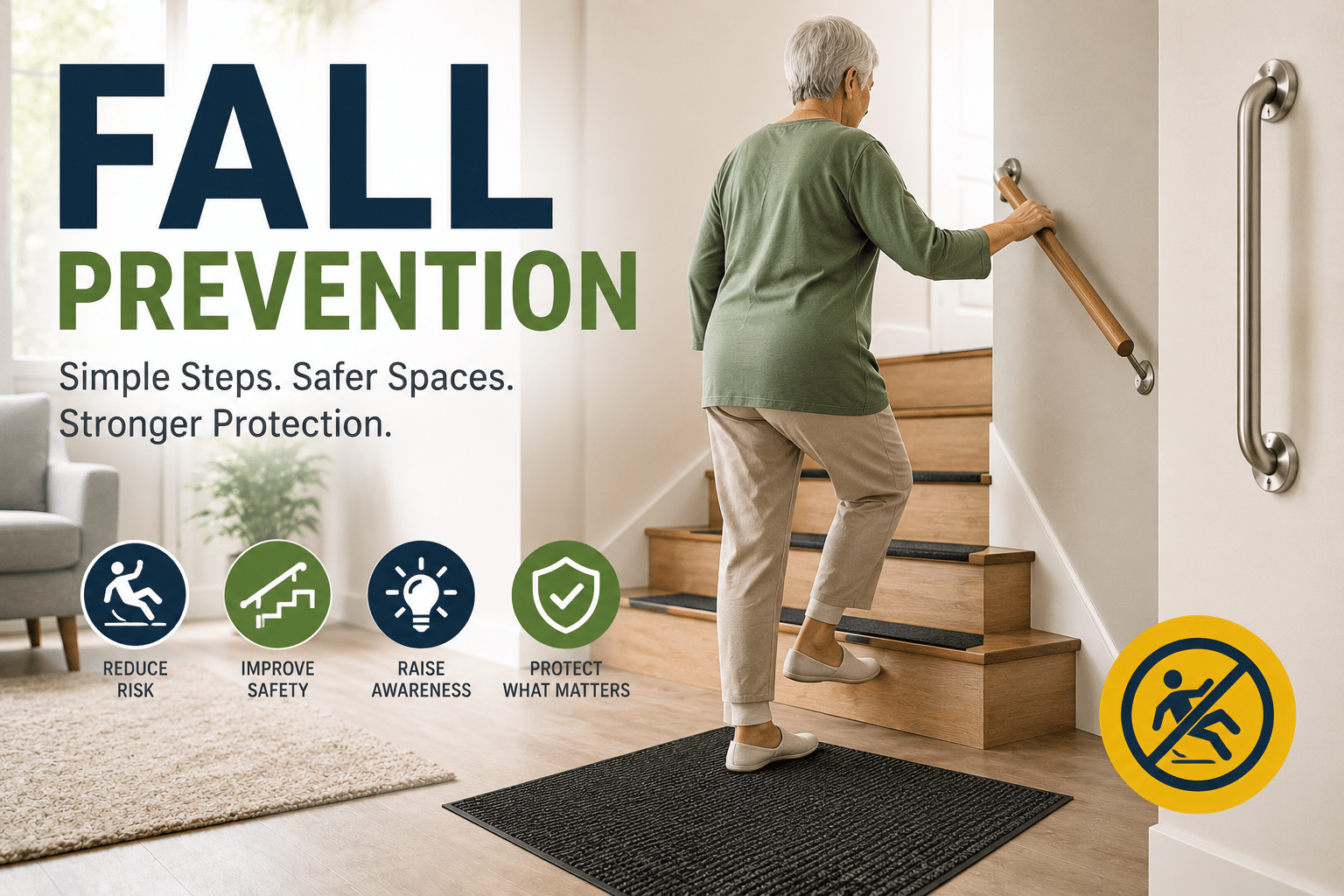
Fall prevention is one of the most important steps

Why Slippery Tiles Are Dangerous for Pets Pets

When working out how you are not going to slip


If your question is how to fix slippery stairs,
The Complete Guide to Floor Safety: How to Protect Your Home and Workplace
Floor safety is something most people only think about after an accident has already happened. A slip, a trip, or a fall can occur in seconds, and the consequences can range from minor bruises to serious, life-altering injuries. Whether you are a homeowner, a business owner, or a facilities manager, understanding floor safety and taking proactive steps to improve it is one of the most important things you can do to protect the people in your care.
Why Floor Safety Cannot Be Ignored
Every year, thousands of people are injured in slip and fall accidents that could have been prevented with the right precautions. Wet floors, worn surfaces, poor lighting, and inappropriate flooring materials all contribute to accidents that place enormous strain on individuals, families, and businesses. Floor safety is not just about avoiding injuries. It is also about reducing liability, meeting legal obligations, and creating environments where people feel confident and secure on their feet.
In commercial settings, neglecting floor safety can result in costly legal claims, reputational damage, and regulatory penalties. In the home, the stakes are just as high, particularly for young children and elderly adults who are most vulnerable to fall-related injuries.
Common Causes of Poor Floor Safety
Understanding what causes floor safety problems is the first step toward fixing them. The most common contributing factors include:
Wet and contaminated surfaces. Water, oils, cleaning products, and food spills are among the biggest threats to floor safety. Hard tile surfaces in kitchens, bathrooms, and entranceways become extremely slippery when wet, and the risk increases significantly when soap residue or grease is present.
Worn and damaged flooring. Over time, floor surfaces lose their texture and grip. Polished tiles, worn vinyl, and smooth concrete are all common floor safety hazards that are easy to overlook because the deterioration happens gradually.
Poor lighting. Dim or inadequate lighting prevents people from seeing changes in floor level, wet patches, or obstacles in their path. Good lighting is a fundamental component of any floor safety strategy.
Loose rugs and mats. Unsecured floor coverings are a leading cause of trips and falls. Any rug, mat, or carpet that shifts underfoot creates a serious floor safety risk, particularly on hard floor surfaces.
Cluttered walkways. Objects left on floors, trailing cables, and obstructed pathways all compromise floor safety and should be addressed as part of a regular housekeeping routine.
Floor Safety in the Home
The home is where most slip and fall accidents occur, and certain areas carry a higher floor safety risk than others. Bathrooms are particularly hazardous due to the constant presence of water. Installing non-slip coatings on tiles, placing anti-slip mats inside and outside the shower, and ensuring adequate ventilation to reduce moisture are all effective floor safety measures for bathrooms.
Kitchens present their own floor safety challenges. Spills happen frequently, and the combination of hard flooring and cooking-related liquids creates a high-risk environment. Using non-slip mats near the sink and cooker, cleaning spills immediately, and choosing flooring with adequate slip resistance are practical ways to improve floor safety in the kitchen.
Staircases and hallways are also common locations for falls. Adding non-slip stair nosings, securing any loose carpet, and improving lighting in these areas can dramatically reduce the floor safety risk for everyone in the household.
Floor Safety in the Workplace
Businesses have a legal duty of care to maintain safe environments for both employees and visitors, and floor safety sits at the centre of that obligation. Workplaces such as restaurants, hospitals, retail stores, factories, and schools all face unique floor safety challenges that require tailored solutions.
In commercial kitchens, for example, floor safety must account for constant exposure to water, oils, and cleaning chemicals. Heavy-duty anti-slip coatings and drainage systems designed to keep floors as dry as possible are essential. In healthcare settings, floor safety solutions must balance slip resistance with the need for hygienic, easy-to-clean surfaces.
Regular floor safety audits are a best practice for any workplace. These inspections identify hazards before accidents occur, ensure that existing floor safety measures are still performing effectively, and help businesses stay compliant with health and safety regulations.
Non-Slip Solutions That Improve Floor Safety
There is a wide range of products and treatments available to improve floor safety on almost any surface. Choosing the right solution depends on the type of flooring, the level of foot traffic, and the specific hazards present.
Non-slip coatings are one of the most effective and long-lasting floor safety solutions available. Applied directly to tile, stone, or concrete surfaces, these treatments create a microscopic texture that dramatically increases grip, even when the surface is wet. They are invisible once applied and do not change the appearance of the floor, making them ideal for both residential and commercial use.
Anti-slip tape is a practical and affordable floor safety solution for stairs, ramps, and high-traffic areas. Available in a range of colours and finishes, anti-slip tape is easy to apply and provides immediate grip underfoot.
Anti-slip mats and matting systems offer another layer of floor safety protection, particularly in entrance areas, bathrooms, and kitchens. Quality mats with non-slip backing help absorb moisture and provide stable footing in areas that are frequently wet.
Floor safety signage plays a supporting role by warning people of wet floors or temporary hazards. While signage alone is not a substitute for addressing the root cause of a floor safety problem, it is an important part of any comprehensive safety strategy.
Building a Long-Term Floor Safety Strategy
Improving floor safety is not a one-time task. It requires ongoing attention, regular maintenance, and a commitment to reviewing and updating safety measures as conditions change. Start by assessing the highest-risk areas in your home or workplace and prioritising the floor safety improvements that will have the greatest impact.
Work with qualified floor safety specialists who can assess your specific surfaces, recommend the most suitable treatments, and ensure that any solutions applied meet the relevant safety standards. With the right approach, floor safety becomes part of the everyday culture of your home or business rather than an afterthought.
Safer floors protect lives, reduce liability, and give everyone the confidence to move freely without fear of falling. Investing in floor safety today is always worth it.