What Makes Tiles Slippery and Why It Matters
What Makes Tiles Slippery and Why It Matters
Slippery tiles are one of the most common hazards found in homes and workplaces across South Africa, yet many people do not fully understand what causes them. The surface of a tile may look and feel perfectly safe when dry, but the moment moisture, soap, or grease is introduced, the risk of a slip increases dramatically.
The primary reason tiles become slippery is the lack of surface friction. Smooth, polished tiles have very little texture to grip the sole of a shoe or a bare foot, which means there is almost nothing to slow a person down when the surface becomes wet. Slippery tiles in bathrooms, kitchens, and entranceways are particularly dangerous because these are the areas most frequently exposed to water.
Several factors contribute to how slippery tiles become. The material the tile is made from plays a significant role. Porcelain and ceramic tiles, while durable and attractive, are among the most slippery tiles available when their surface is smooth and unglazed. Natural stone tiles such as marble and granite can also become extremely slippery when polished to a high shine.
The finish applied to a tile also matters. Glossy and semi-glossy finishes significantly reduce grip, making slippery tiles a design choice as much as a practical problem. Grout lines between tiles can offer some additional traction, but they are rarely enough to compensate for a completely smooth tile surface.
Understanding why slippery tiles become hazardous is the foundation of any effective floor safety strategy. Identifying the specific cause allows you to choose the most appropriate solution and prevent accidents before they happen.
The Hidden Dangers of Slippery Tiles in the Home and Workplace
The dangers of slippery tiles go far beyond a momentary loss of balance. A slip or fall on a hard tile surface can result in serious injuries including broken bones, head trauma, spinal damage, and in the most severe cases, fatalities. These outcomes are not rare. Slip and fall accidents are among the leading causes of emergency hospital admissions in South Africa and around the world.
In the home, slippery tiles pose the greatest risk to young children and elderly adults. Children move quickly and unpredictably, often running on wet bathroom and kitchen floors without any awareness of the danger. Elderly adults face a different challenge. Reduced balance, slower reaction times, and more fragile bones mean that a fall on slippery tiles is far more likely to result in a serious injury that requires hospitalisation and long-term recovery.
In the workplace, the consequences of slippery tiles extend beyond physical injury. Businesses that fail to address slippery tiles in their premises can face significant legal liability if an employee or customer is injured on their property. Workers’ compensation claims, personal injury lawsuits, and regulatory investigations are all potential outcomes of ignoring a known floor safety hazard.
Which Industries Does This Apply To?
Slippery tiles at many of our clients, such as commercial kitchens, hospitals, retail stores, and schools present daily risks that must be actively managed. The financial cost of a single slip and fall incident, including medical expenses, legal fees, lost productivity, and reputational damage, can far exceed the cost of treating slippery tiles with a professional non-slip solution.
Recognising the full scope of the danger is the first step toward taking slippery tiles seriously and committing to lasting solutions.
How to Test Your Tiles for Slip Resistance
Before investing in any non-slip treatment or product, it is important to understand how slippery your tiles actually are. Testing your tiles for slip resistance gives you a clear picture of the level of risk present and helps you choose the most appropriate solution for your specific surface.
The simplest way to assess slippery tiles at home is the wet foot test. Wet the tile surface and carefully walk across it in bare feet. If you feel any loss of grip or notice that your feet slide even slightly, your tiles present a slip hazard that needs to be addressed. While this test is not scientific, it gives an immediate and practical indication of how slippery tiles perform under real-world conditions.
For a more accurate assessment, a pendulum test can be conducted by a qualified floor safety specialist. This test measures the slip resistance of a tile surface using a standardised device that simulates the action of a heel striking a wet floor. The result is expressed as a Pendulum Test Value, which determines whether the surface meets accepted safety standards.
Alternative Tests
Another professional option is the Surface Roughness Test, which measures the microscopic texture of a tile surface. Slippery tiles typically have a very low roughness value, confirming that there is insufficient texture to provide safe grip underfoot.
For commercial and public spaces, professional testing is strongly recommended. Relying on visual inspection alone is not sufficient when assessing slippery tiles in high-traffic environments. A formal test result also provides documentation that can be valuable in the event of a legal claim related to a slip and fall incident on your property.
Understanding Slippery Tile Safety Ratings and What They Mean
Tile safety ratings exist to help consumers, architects, builders, and facility managers make informed decisions about which tiles are appropriate for specific environments. Understanding these ratings is essential when selecting new tiles or when evaluating whether existing slippery tiles meet the minimum safety requirements for their location.
The most widely referenced rating system is the Pendulum Test Value scale, also known as the PTV scale. Tiles with a PTV of 36 or above are considered low slip risk. Tiles that fall between 25 and 35 are classified as moderate slip risk, and anything below 24 is considered high risk. Slippery tiles in wet areas such as bathrooms and pool surrounds should meet a minimum PTV of 36 to be considered safe for regular use.
The R-rating system, developed in Germany, is another commonly used standard, particularly for commercial and industrial flooring. The R-rating scale runs from R9 to R13. Slippery tiles with an R9 rating offer minimal slip resistance and are only suitable for dry interior areas with low foot traffic. R10 and R11 tiles are suitable for wet areas, while R12 and R13 ratings are reserved for high-risk industrial environments where oils and heavy contamination are present.
What Are the Local Requirements
In South Africa, the SANS 10400 building regulations provide guidance on slip resistance requirements for different areas of a building. Compliance with these standards is important not only for safety but also for legal and insurance purposes.
When purchasing new tiles, always ask for the slip resistance rating. If your current slippery tiles do not meet the required standard for their location, a professional non-slip treatment can bring them into compliance without the need for costly replacement.


The Most Slippery Tile Types and Where They Are Commonly Used
Not all tiles carry the same level of slip risk. Some tile types are significantly more hazardous than others, particularly when wet, and understanding which surfaces are most problematic helps you identify where slippery tiles are most likely to cause accidents in your home or business.
Polished porcelain tiles are among the most slippery tiles available. Their dense, smooth surface looks stunning and is highly durable, which is why they are widely used in modern homes, shopping centres, hotels, and office buildings. However, the same polished finish that gives them their aesthetic appeal makes them extremely slippery when exposed to water or cleaning products.
Glazed ceramic tiles are another common source of slip hazards. The glaze applied to the surface of these tiles creates a smooth, non-porous finish that repels moisture rather than absorbing it, leaving water sitting on the surface and making slippery tiles even more dangerous underfoot.
Marble and natural stone tiles are frequently found in upmarket residential and commercial settings. When honed or polished, these materials become exceptionally slippery tiles, particularly in bathrooms, foyers, and outdoor areas exposed to rain.
Glass tiles, while less common, are some of the most slippery tiles in existence. Used primarily as decorative features or in swimming pool areas, glass tiles offer virtually no grip and should always be treated with a professional non-slip coating.
Smooth concrete and terrazzo tiles are also high on the list of slippery tiles, especially in outdoor settings or areas where moisture is constantly present. Identifying the tile type in your space is the starting point for choosing the right slip resistance solution.
How Water, Soap, and Cleaning Products Make Tiles More Dangerous
One of the most important things to understand about slippery tiles is that the substances that come into contact with them play a major role in determining how dangerous they become. Water alone can turn a moderately safe tile into a serious hazard, but when combined with soap, cleaning chemicals, or grease, the risk escalates significantly.
Water reduces the friction between a shoe or bare foot and a tile surface by creating a thin lubricating film. On smooth, polished slippery tiles, this film is enough to cause a person to lose their footing completely. The problem is most acute in bathrooms and kitchens where water is constantly present, but it also affects entrance areas during rainy weather and outdoor tiled spaces year-round.
Soap and shampoo residue left on bathroom tiles is a particularly dangerous contributor to slippery tiles. These products are designed to reduce surface tension, which means they actively make it harder for a foot to grip a tile surface. Even after rinsing, a thin layer of soap residue can remain on slippery tiles and continue to reduce grip for hours.
Cleaning products present a similar challenge. Many floor cleaning chemicals leave a residue that reduces friction, and some products, particularly those with a high wax or polish content, can make slippery tiles dramatically more hazardous than they were before cleaning.
Cooking oils and fats that splash onto kitchen floor tiles are also a leading cause of slip accidents. These substances are difficult to see, spread easily underfoot, and are extremely effective at turning slippery tiles into near-frictionless surfaces. Using the right cleaning products and rinsing floors thoroughly after cleaning are essential steps in managing this risk.
Non-Slip Coatings for Slippery Tiles: How They Work and When to Use Them
Non-slip coatings are one of the most effective solutions available for treating slippery tiles, and they are widely used in both residential and commercial settings across South Africa. Understanding how these products work and when to apply them helps you make the right choice for your specific floor safety challenge.
A non-slip coating works by chemically reacting with the surface of slippery tiles to create a microscopic texture that increases grip. Unlike adhesive products or surface overlays, a non-slip coating becomes part of the tile itself, which means it does not peel, bubble, or wear away under normal foot traffic. The treatment is invisible once applied, preserving the appearance of the tile while dramatically improving its safety.
Non-slip coatings are particularly well suited to smooth, polished slippery tiles in bathrooms, kitchens, pool areas, and commercial spaces where wet conditions are a constant reality. They are effective on porcelain, ceramic, natural stone, and concrete tiles, making them a versatile solution for a wide range of surfaces.
The application process is straightforward and typically takes only a few hours, after which the treated surface can usually be returned to normal use within 24 hours. For large commercial areas with significant slippery tiles, professional application by a qualified floor safety specialist is recommended to ensure even coverage and optimal results.
It is important to note that non-slip coatings require proper surface preparation to be effective. Slippery tiles must be thoroughly cleaned and free of any soap residue, wax, or contamination before treatment. Following the manufacturer’s guidelines or working with a professional ensures the coating bonds correctly and delivers the expected level of slip resistance.
Anti-Slip Tape and Treatments: Practical Solutions for Slippery Tiles
Anti-slip tape and surface treatments offer practical, accessible, and cost-effective ways to address slippery tiles in targeted areas. While they may not always be the most aesthetically refined solution, they are highly effective in specific applications and can be deployed quickly without professional assistance.
Anti-slip tape is a pressure-sensitive adhesive strip coated with an abrasive surface that provides immediate grip underfoot. It is most commonly used on slippery tiles found on stairs, ramps, and step edges where the risk of a slip is particularly high. Available in a range of colours, widths, and finishes, anti-slip tape can be matched to the surrounding floor surface to minimise its visual impact while still delivering meaningful protection against slippery tiles.
The key to getting the best results from anti-slip tape is proper surface preparation. Slippery tiles must be clean, dry, and free of any wax or residue before the tape is applied. When correctly installed, quality anti-slip tape can last for several years even in high-traffic areas.
For slippery tiles in wet areas such as shower floors and pool surrounds, anti-slip treads and adhesive patches provide targeted protection in the areas of highest risk. These products are designed to remain effective even when fully submerged and are a practical solution for surfaces where full coating treatment is not possible or practical.
Liquid anti-slip treatments are another option for addressing slippery tiles without the visual impact of tape. These water-based solutions are brushed or mopped onto the tile surface, penetrate the glaze, and increase grip by creating a textured micro-profile. They are a good choice for large areas of slippery tiles where anti-slip tape would be impractical to apply.
How to Choose the Right Non-Slip Solution for Your Tile Type
Choosing the right non-slip solution for slippery tiles is not a one-size-fits-all decision. The type of tile, the location, the level of foot traffic, and the specific hazards present all influence which product or treatment will deliver the best and most lasting results.
For smooth, polished slippery tiles such as porcelain or glazed ceramic in bathrooms and kitchens, a chemical non-slip coating is generally the most effective choice. These treatments penetrate the tile surface and create permanent grip without altering the appearance of the floor. They are long-lasting, easy to maintain, and suitable for surfaces that are regularly exposed to water and cleaning products.
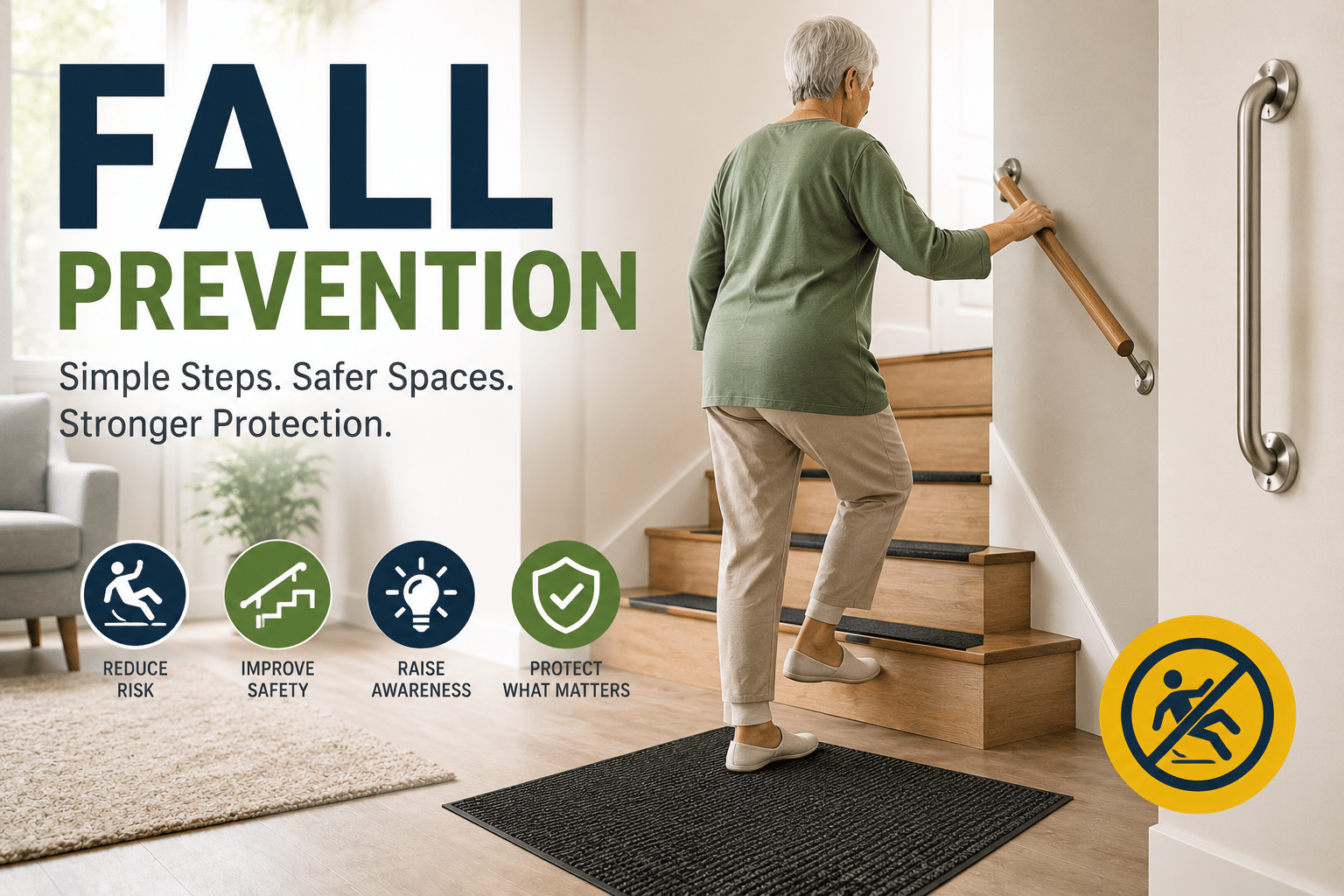
For slippery tiles on stairs or in entranceways, anti-slip tape or non-slip stair nosings provide a targeted and highly visible solution. In these areas, the priority is immediate, reliable traction in the specific spot where the risk is greatest, and tape or nosing strips deliver exactly that.
For outdoor slippery tiles such as those around swimming pools, on patios, or on external staircases, it is important to choose a solution that is designed to withstand UV exposure, temperature changes, and constant moisture. Specialist outdoor non-slip coatings and treatments are formulated specifically for these conditions and will outperform standard indoor products.
Natural stone slippery tiles such as marble, granite, and slate require particular care. Some chemical treatments can alter the appearance or finish of natural stone, so it is important to use a product that is specifically formulated for the tile type. Consulting a floor safety specialist before treating natural stone slippery tiles is always advisable to avoid damaging an expensive surface.
When to Call a Floor Safety Specialist and What to Expect
While many non-slip products can be applied without professional help, there are situations where calling a floor safety specialist is the smartest and most responsible course of action. Knowing when to seek professional advice can save you time, money, and most importantly, prevent serious injuries caused by slippery tiles.
If you are managing a commercial property, a healthcare facility, a school, or any public space, professional assessment of your slippery tiles is strongly recommended. A qualified floor safety specialist has the tools and expertise to test your surfaces accurately, identify hidden hazards, and recommend solutions that meet the relevant South African safety standards and building regulations.
When a slip and fall accident has already occurred on your property, calling a floor safety specialist immediately is important. A professional assessment documents the condition of the slippery tiles at the time of the incident, which can be critical evidence in any subsequent legal proceedings. It also demonstrates that you have taken responsible action to address the hazard going forward.
For large or complex areas of slippery tiles, professional application of non-slip coatings ensures even, consistent coverage and optimal performance. Specialist applicators understand how different tile types respond to treatment and can adjust their approach accordingly to deliver the best possible result.
When you engage a floor safety specialist, expect a thorough inspection of all slippery tiles and high-risk areas, a written assessment of the hazards identified, and a clear recommendation of the most appropriate solutions. A reputable specialist will also provide a guarantee on their work and advise you on how to maintain treated surfaces to ensure long-term slip resistance. Investing in professional floor safety advice is always a sound decision when the safety of others is at stake.
About Slip No More South Africa
At Slip No More, floor safety is not just what we do. It is what we believe in. For over2 20 years, we have been helping homeowners, businesses, and facilities managers across South Africa create safer floors that protect the people who matter most.
Our passion for floor safety was born from a simple but powerful understanding: most slip and fall accidents are entirely preventable. Every product we supply, every treatment we recommend, and every consultation we provide is driven by that belief. We are not just selling non-slip solutions. We are helping people avoid life-changing injuries, reducing liability for businesses, and creating environments where everyone can move with confidence.
Our national team of floor safety specialists brings hands-on experience across a wide range of residential, commercial, and industrial settings. From slippery bathroom tiles in family homes to high-traffic kitchen floors in busy restaurants, we have seen the floor safety challenges firsthand and we know how to fix them.
We stay at the forefront of floor safety innovation so that our customers always have access to the most effective and longest-lasting solutions available. When you choose Slip No More, you are choosing a team that is genuinely passionate about floor safety and committed to creating safer floors for every South African.
Find out more about who we are and what drives us on our About Us page.
Connect With Us on Social Media
Slippery tiles are a serious hazard, and we want to help you do something about it. At Slip No More South Africa, we share practical tips, product demonstrations, real customer transformations, and expert advice on slippery tiles across all of our social media channels every week.
Whether you want to see how we treat slippery tiles in action, get inspired by safer floor transformations, or simply stay up to date with the latest non-slip solutions, there is a channel for you. Watch step-by-step tutorials showing exactly how we treat slippery tiles on YouTube. Get daily tips and updates on Facebook. See our latest slippery tiles projects and product highlights on Instagram. Connect with us professionally and follow industry insights on LinkedIn.
We love hearing from our community. Share your slippery tiles story with us, ask us a question, or show us your safer floor transformation. Our team is always listening and ready to help.